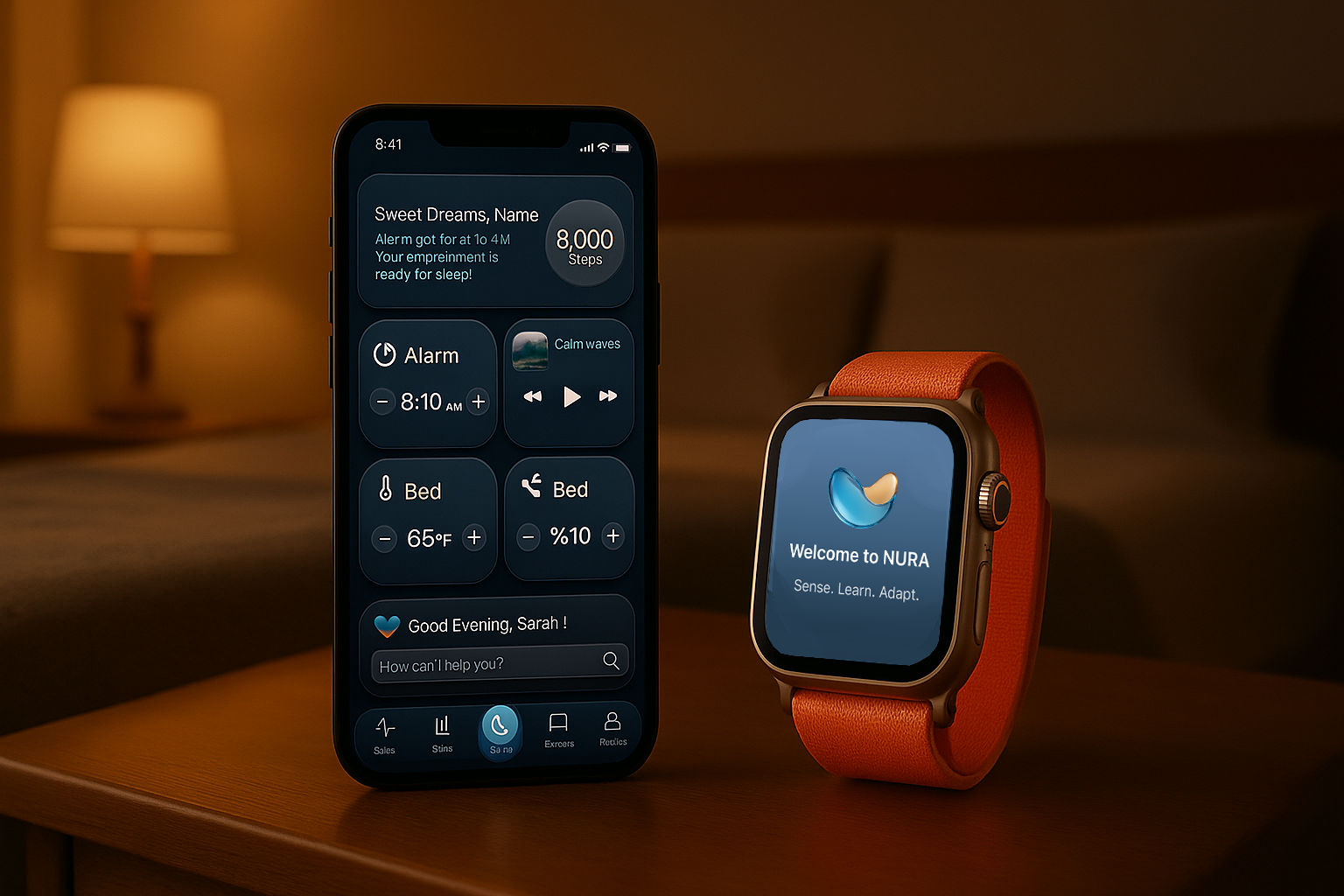
Designing an adaptive, AI-driven sleep ecosystem
A multi-device platform that learns from user data to personalize sleep environments across wearables and smart home systems.
More Projects
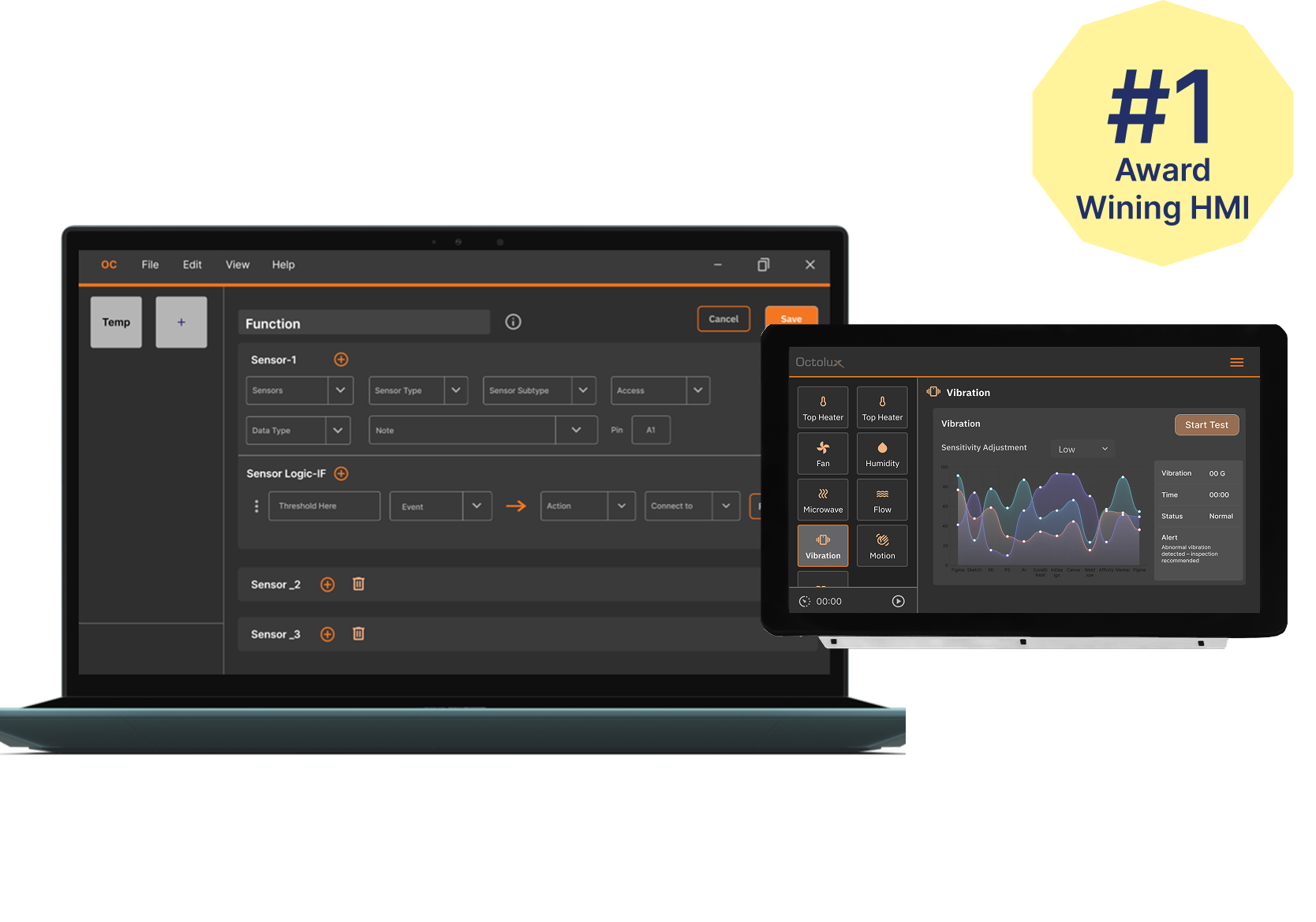
Mobile Banking App Redesign
A complete redesign of a mobile banking experience focused on improving accessibility and reducing user friction in daily transactions.
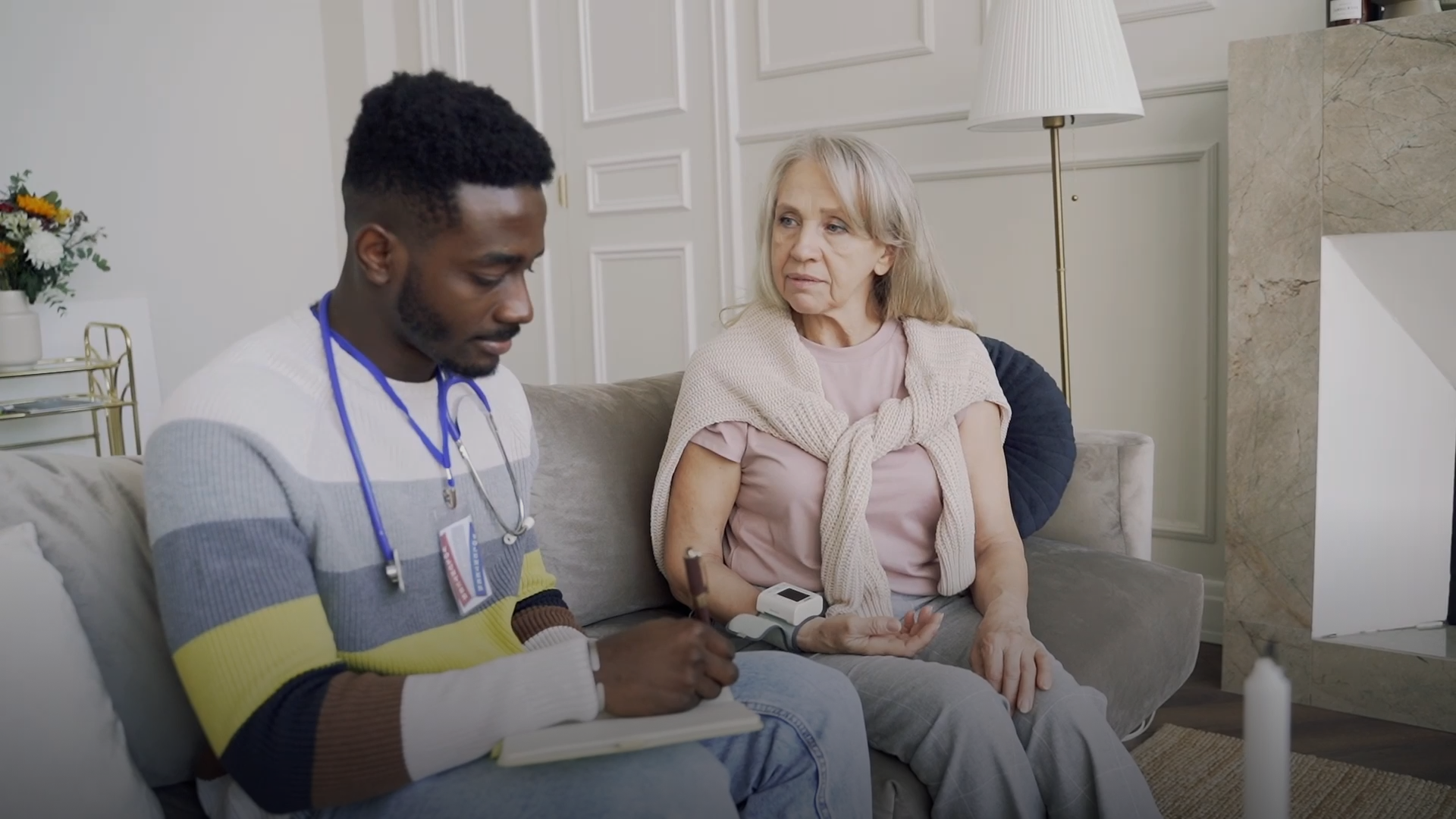
Healthcare Patient Portal
Explored trust in Signify Health and designed experiences that improve scheduling.
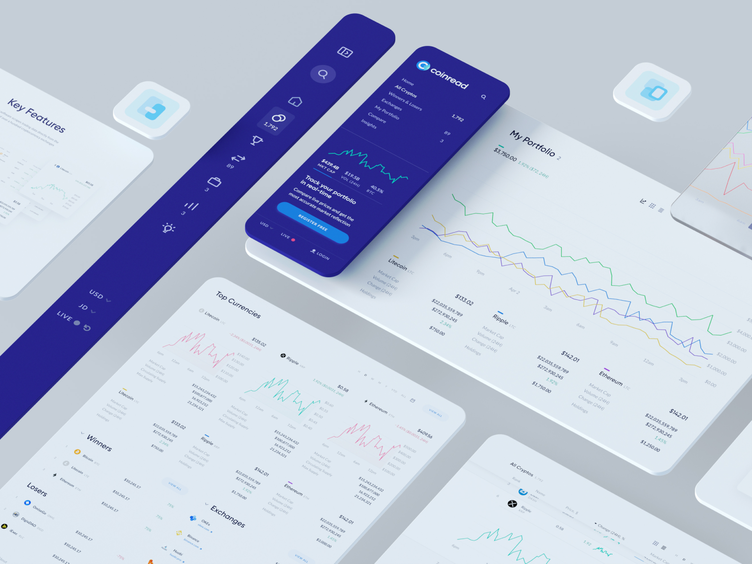
Team Productivity Dashboard
Analytics dashboard for distributed teams that visualizes project progress, team collaboration, and individual contributions in real-time.
Designed by Dornaz Niknezhad — Interaction Design
© 2025 Portfolio. All rights reserved.
Privacy Policy
Terms of Service
Learn more by watching this video
Project Snapshot
Role: UX Designer & Researcher
Duration: 24 weeks
Platform: Mobile, Wearable, Smart Home, Data Layer
Methods: Interviews, journey mapping, usability testing, prototyping
Tools: Figma, Figma Jam, Miro, Research synthesis
The Problem
Users struggle with poor sleep quality because bedroom environments remain static while sleep needs change throughout the night. Research showed that existing smart home solutions operate in disconnected silos, requiring manual adjustments and leaving users frustrated.
Over 70% of participants reported waking due to temperature discomfort, while sleep tracking data lacked actionable environmental control, creating insight without impact.
Research & Insights
To understand how people manage sleep environments—and why existing smart solutions fall short, I conducted generative research focused on real bedtime behaviors, trust in automation, and emotional comfort.
Methods
- Semi-structured user interviews
- Sleep habit and environment surveys (n = 180)
- Competitive analysis across 40+ smart sleep, wearable, and smart home platforms
- Exploratory experiments and journey mapping across the full sleep cycle
Key Insights
Automation requires perceived control
Users welcome automation when clear boundaries and manual override options are available.
Abrupt environmental changes disrupt sleepSudden shifts in temperature, light, or sound often cause wake-ups or anxiety, even when technically optimal.
Explain ability builds trust
Users are more comfortable with adaptive systems when they understand why changes occur.
Presentation & Research Appendix : Link
Privacy concerns are heightened in bedroomsBecause sleep is an intimate context, transparent data handling and clear ownership are essential to trust.
Design Implications
These insights directly informed NURA’s adaptive intelligence layer, prioritizing gradual environmental adjustments, explainable system behavior, user-defined boundaries, and privacy-first data controls.
The Solution
Designed a unified ecosystem that seamlessly connects wearables, smart beds, thermostats, and lighting to create an adaptive sleep environment. The system analyzes real-time biometric data and automatically adjusts temperature, mattress firmness, and ambient conditions to optimize each sleep stage. Created intuitive controls allowing users to set preferences while trusting the system to learn and adapt.
Design Principles
- Gradual, non-disruptive automation
- Clear system feedback and explainability
- User-defined boundaries and overrides
- Privacy-first data handling
What I Learned
Designing adaptive systems requires balancing automation with trust. Users are more willing to rely on AI-driven behavior when changes are gradual, explainable, and reversible. I also learned that privacy expectations are significantly higher in intimate environments like the bedroom, reinforcing the need for transparent data handling and user control. This project deepened my approach to designing intelligent systems that respect human comfort, agency, and context.